Exploring Truly Sustainable Materials: A Designer's Insight
Share
What Makes a Material Truly Sustainable? A Designer’s Perspective
In the pursuit of sustainability, the choice of materials in design has become a critical factor. As consumers increasingly demand products that align with their environmental values, designers must navigate a complex landscape of materials, each with its own set of benefits and drawbacks. This article delves into the world of sustainable materials, exploring what makes a material truly sustainable and how designers can incorporate these materials into their work.
Introduction to Sustainable Materials
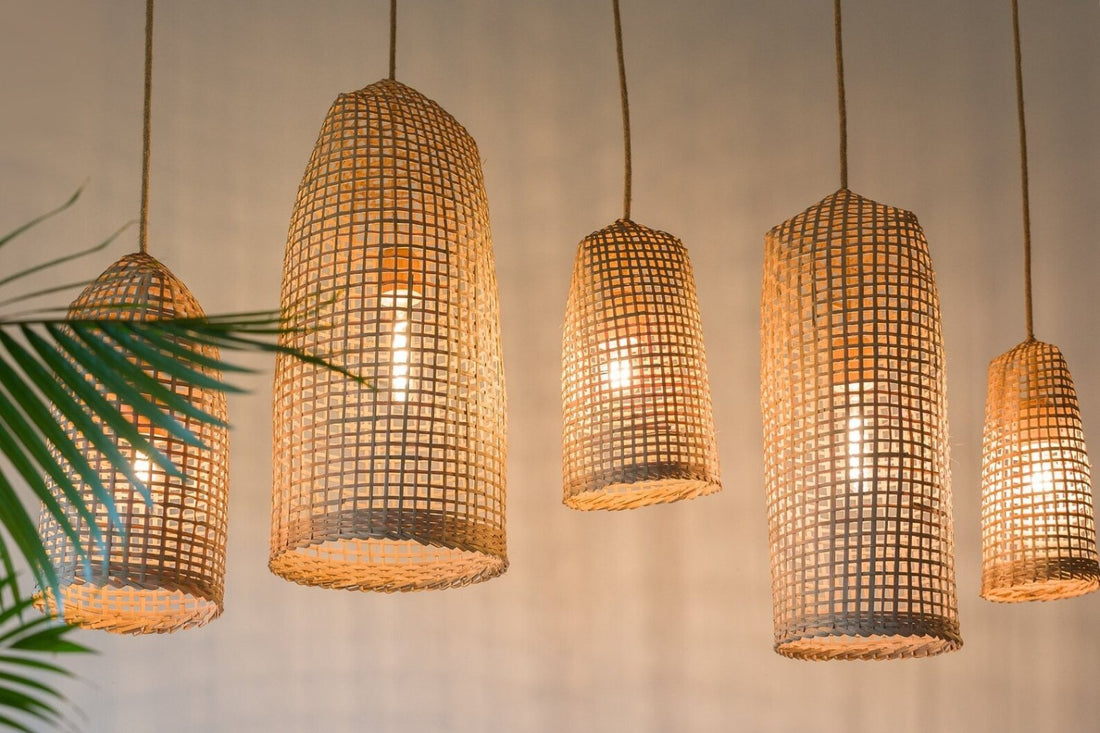
Sustainability in design is not just about reducing environmental impact; it's also about creating products that are durable, recyclable, and made from renewable resources. According to a study by the journal Green Chemistry, bioplastics, for instance, reduce carbon footprints by 80% compared to conventional plastics[1]. This shift towards sustainable materials is driven by consumer demand and technological innovations. For example, the use of biodegradable materials in lighting fixtures is becoming more prevalent, offering a sustainable alternative to traditional plastics[3].
Key Characteristics of Sustainable Materials
When evaluating the sustainability of a material, several key factors come into play:
- Renewable Resources: Materials sourced from renewable resources, such as wood or plant-based bioplastics, are considered more sustainable than those derived from non-renewable sources like fossil fuels.
- Energy Efficiency: Materials that require less energy to produce or use are more sustainable. For example, LED lighting is significantly more energy-efficient than traditional incandescent bulbs[3].
- Recyclability and Biodegradability: Materials that can be easily recycled or biodegrade at the end of their life cycle reduce waste and support a circular economy[1].
Innovations in Sustainable Materials for 2025
The year 2025 is poised to see significant advancements in sustainable materials, particularly in the lighting industry. Innovations such as quantum dots are improving the color quality and energy efficiency of lighting, making them more appealing for sustainable applications[1]. Additionally, the integration of smart technology into lighting systems is expected to further minimize energy consumption based on user behavior[3].
Benefits of Natural Materials and Sustainable Design
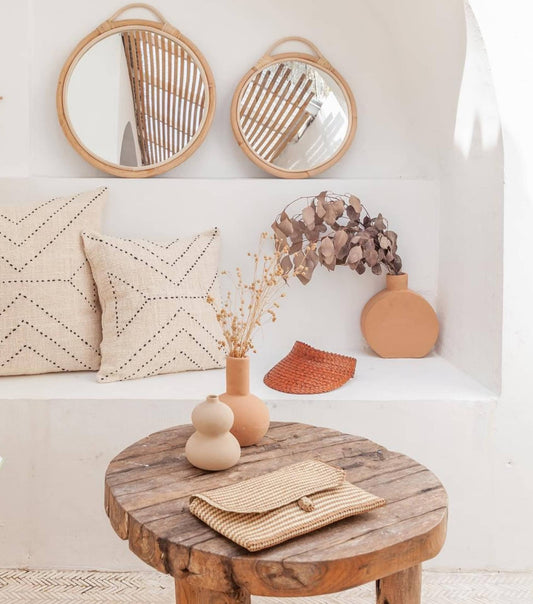
Natural materials, such as wood and organic textiles, offer numerous benefits in sustainable design. They not only provide aesthetic appeal but also contribute to healthier indoor environments. For instance, wood decor can enhance biophilic design principles, promoting a connection to nature even in urban settings[3]. Sustainable design also encourages the use of materials that are locally sourced, reducing transportation emissions and supporting local economies.
Expert Insights on Sustainable Design
According to experts in the field, sustainable design is not just about using eco-friendly materials but also about creating products that are timeless and durable. As noted by design leaders, "The key to sustainable design is not just in the materials we use, but in how we design products to last, reducing the need for frequent replacements and waste."
Actionable Advice for Designers and Consumers
For designers looking to incorporate sustainable materials into their work, here are some actionable tips:
- Choose Renewable Resources: Opt for materials sourced from renewable resources whenever possible.
- Optimize for Energy Efficiency: Select materials and designs that minimize energy consumption throughout the product lifecycle.
- Design for Recyclability: Ensure that products are designed to be easily recyclable or biodegradable at the end of their life cycle.
For consumers, choosing sustainable products can make a significant impact. Consider the following:
- Look for Sustainable Certifications: Products with certifications like FSC (Forest Stewardship Council) for wood products or biodegradable labels indicate a commitment to sustainability.
- Support Local and Small-Scale Producers: Local producers often have lower carbon footprints and contribute to the local economy.
- Invest in Quality Over Quantity: Prioritize products that are durable and long-lasting, reducing the need for frequent replacements.
Sustainable Lighting and Decoration Solutions
At our store, we offer a range of sustainable lighting and decoration solutions that embody these principles. For those interested in unique and eco-conscious lighting, our Light World Affordable and Unique Designer Lamps collection is a great place to start. For natural decor, our Woodwork natural wood decor and interior collection showcases the beauty of sustainable wood products. Additionally, our Ceramic & Glass collection features timeless pieces that reduce environmental impact while supporting responsible living.
Conclusion
As we move forward in 2025, the importance of sustainable materials in design will only continue to grow. By understanding what makes a material truly sustainable and incorporating these principles into design, we can create a more environmentally conscious future. Whether you're a designer or a consumer, choosing sustainable materials is a step towards a healthier planet and a more sustainable lifestyle.
References
[1] Tunisian Solar. (2025). Innovations in Sustainable Lighting Solutions for 2025 and Beyond.
[2] Xponent21. (2025). AI SEO & SaaS: Winning Visibility in AI-Driven Search.
[3] More LED Lighting. (2023). Emerging Innovations in Lighting Fixtures for Sustainable Development.
[4] Born Techies. (2025). SEO AI Agent for Shopify: Automate & Optimize Your Store.
[5] Fortune Business Insights. Global LED Lighting Market.
Green Chemistry. Bioplastics and Sustainable Materials.
International Energy Agency. Energy Efficiency in Lighting Technology.