Transform Your Space: Sustainable Nordic Interior Ideas for a Stunning Home Update
Del
Dreaming of a home that feels both stylish and serene? You’re not alone. The Nordic interior style has taken the design world by storm, and for good reason. It’s all about creating a calm, functional, and beautiful space without the clutter. But what if you could achieve that coveted look while also being kind to the planet? That’s where the magic of sustainability meets Nordic design. This isn’t just a trend; it’s a thoughtful way to live that prioritizes quality, nature, and well-being [1]. Whether you live in a tiny apartment or a spacious house, you can transform your space into a stunning, eco-friendly sanctuary. Let’s dive into how you can blend these two powerful ideas for a home update that feels as good as it looks.
What is Nordic Interior Design, Really?
Before we start mixing and matching, let’s get clear on what we mean by nordic interior. It’s more than just white walls and IKEA furniture. At its heart, Nordic design, also known as Scandinavian design, emerged in the 1950s from the five Nordic countries: Denmark, Finland, Iceland, Norway, and Sweden [2]. Its core principles are simplicity, minimalism, and functionality, but it’s never cold or stark. Instead, it’s warm and inviting, thanks to a focus on natural materials, soft textures, and plenty of light. Think clean lines, cozy textiles like wool and sheepskin, and a color palette inspired by nature—think whites, grays, soft blues, and earthy greens. It’s about creating a space that feels balanced and restful, a true retreat from the busy world [3].
Why Sustainability is a Perfect Match for Nordic Style
Here’s the beautiful thing: sustainability isn’t an add-on to Nordic design; it’s built right into its DNA. The Nordic philosophy of hygge (a Danish concept of coziness) and lagom (a Swedish idea of "just the right amount") naturally leads to more sustainable choices [4]. Instead of buying cheap, disposable furniture, you invest in a few high-quality pieces that will last for years. You choose natural, renewable materials like wood, wool, and linen over synthetic ones. You prioritize function and longevity over fleeting trends. This approach automatically reduces waste and your environmental footprint. In fact, the global market for sustainable home furnishings is growing rapidly, showing that consumers are increasingly looking for eco-friendly options [5]. By embracing this style, you’re not just decorating your home; you’re making a conscious choice for a better future.
Key Principles for a Sustainable Nordic Home
Ready to get started? Here are the fundamental principles that will guide your transformation. These aren't strict rules, but rather a mindset that helps you make better decisions for your home and the planet.
1. Embrace Natural, Renewable Materials
This is the cornerstone of both Nordic design and sustainability. Instead of plastic or synthetic fibers, look for materials that come from nature and can be replenished. Wood is the star player here. Opt for FSC-certified wood, which ensures it comes from responsibly managed forests [6]. Think light oak, ash, or pine for furniture, flooring, and even wall paneling. Linen and organic cotton are perfect for curtains, bedding, and throws. Wool, especially from sheep raised in the Nordic region, is incredibly durable and insulating. By choosing these materials, you’re supporting a circular economy that values resources and reduces pollution [7].
2. Prioritize Quality Over Quantity
The Nordic approach is famously minimalist, but it’s not about having nothing. It’s about having the right things. Instead of filling your home with fast furniture that falls apart in a few years, invest in a few well-made, timeless pieces. A solid wood dining table, a comfortable wool sofa, or a handmade ceramic vase will serve you for decades. This "buy less, buy better" philosophy is a powerful way to live more sustainably. It saves you money in the long run and reduces the massive amount of furniture waste that ends up in landfills each year [8].
3. Bring the Outdoors In
Nordic design has a deep connection to nature. You can honor this by incorporating plants into your decor. Not only do they purify the air and boost your mood, but they also add life and texture to your space [9]. Choose low-maintenance indoor plants like snake plants, pothos, or ferns. You can also use natural elements like driftwood, stones, or dried flowers as decorative objects. This connection to nature is a core part of a sustainable lifestyle, reminding us of the world outside our walls.
4. Maximize Natural Light
In the Nordic countries, where winters are long and dark, maximizing natural light is essential. You can apply this principle to your own home. Keep windows unobstructed by heavy curtains. Use sheer linen drapes that let light filter through. Place mirrors strategically to reflect light around the room. Choose light, neutral colors for walls and large furniture to make the space feel brighter and more open. This not only creates a more pleasant living environment but also reduces your reliance on artificial lighting, saving energy [10].
Room-by-Room Sustainable Nordic Ideas
Let’s make this practical. Here are specific ideas for transforming each room in your home, blending Nordic aesthetics with sustainable choices.
The Living Room: Your Cozy Sanctuary
This is the heart of the home, where you relax and connect. Start with a neutral base: paint your walls a soft, warm white or a light, earthy gray. Choose a sofa made from natural materials like linen or wool, or look for a second-hand or vintage piece. A wooden coffee table from reclaimed wood is a fantastic focal point. Layer textures with a chunky knit wool throw and linen cushions. For lighting, use energy-efficient LED bulbs in simple, sculptural lamps. Add a few indoor plants in ceramic pots for a pop of green. Remember, every piece should have a purpose and bring you joy [11].
The Bedroom: A Restful Retreat
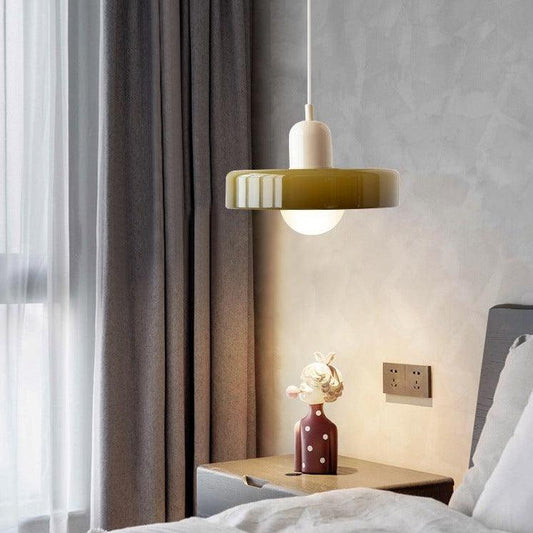
Your bedroom should be a calm, clutter-free haven. Invest in high-quality bedding made from organic cotton or linen. These materials are breathable, gentle on your skin, and produced without harmful chemicals. Choose a simple wooden bed frame from a sustainable source. Keep surfaces clear of unnecessary items. A single piece of art on the wall or a beautiful ceramic vase on your nightstand is all you need. Use blackout linen curtains to create a dark, restful environment for better sleep [12].
The Kitchen: Functional and Beautiful
The kitchen in a Nordic home is all about functionality. Opt for open shelving made of wood to display your ceramic dishes and glassware. This reduces the need for bulky cabinets. Use natural materials like wood and stone for countertops. Choose cookware and utensils made from durable materials like cast iron, stainless steel, or wood. Reduce waste by using reusable storage containers made of glass or stainless steel. A simple, well-organized kitchen is not only beautiful but also more efficient and sustainable [13].
The Bathroom: A Spa-Like Experience
Transform your bathroom into a serene spa-like space. Use natural materials like stone, wood, and bamboo for accessories. Choose a wooden bath mat instead of a synthetic one. Use glass jars for storing toiletries. Install a low-flow showerhead to conserve water. Choose towels made from organic cotton. Keep the space clutter-free with simple, open storage. A single eucalyptus branch in a vase can add a refreshing scent and a touch of nature [14].
Shopping Smart: Where to Find Sustainable Nordic Pieces
You don’t have to break the bank to achieve this look. In fact, some of the best sustainable choices are also the most affordable. Here’s how to shop smart:
- Thrift Stores and Vintage Shops: This is the ultimate sustainable shopping. You’ll find unique, high-quality pieces with history. Look for solid wood furniture, ceramic vases, and wool textiles.
- Online Marketplaces: Websites like Facebook Marketplace, Craigslist, and local buy-nothing groups are goldmines for second-hand furniture. You can often find beautiful Nordic-style pieces for a fraction of the retail price.
- Local Artisans and Makers: Support local potters, woodworkers, and weavers. Handmade items are often more durable and have a smaller carbon footprint than mass-produced goods [15].
- Brands with a Conscience: Many modern furniture brands are committed to sustainability. Look for companies that use certified wood, recycled materials, and ethical labor practices. Do your research and choose brands that align with your values.
DIY Projects for a Personal Touch
Adding your own personal touch is a huge part of Nordic design. DIY projects are also a fantastic way to be more sustainable by repurposing and upcycling. Here are a few ideas:
- Refinish an old wooden table: Instead of buying new, sand down an old table and apply a natural oil finish. It will look like new and have a unique story.
- Sew your own linen cushion covers: Linen is easy to work with and looks beautiful. You can make custom covers for your sofa or chairs.
- Create a gallery wall with found objects: Use driftwood, pressed flowers, or your own photographs in simple frames. This is a low-cost, personal way to decorate.
- Make your own natural cleaning products: Use vinegar, baking soda, and essential oils to clean your home without harsh chemicals. This is better for your health and the environment [16].
The Benefits of a Sustainable Nordic Home
Making these changes isn’t just about aesthetics. There are real, tangible benefits for you and the planet.
- Better Health: Using natural materials and avoiding synthetic chemicals can improve indoor air quality and reduce allergies [17].
- Reduced Stress: A clutter-free, minimalist space with natural elements has been shown to reduce stress and improve mental well-being [18].
- Lower Environmental Impact: By choosing sustainable materials and buying less, you are directly reducing waste, pollution, and your carbon footprint [19].
- Long-Term Savings: Investing in quality pieces that last means you won’t have to replace them as often, saving you money in the long run.
Conclusion: Your Journey to a Beautiful, Sustainable Home
Transforming your space with sustainable Nordic interior ideas is a journey, not a race. Start small. Pick one room, or even just one corner, and apply these principles. Choose a single piece of furniture made from natural materials. Bring in a plant. Swap out a synthetic throw for a wool one. Every small change you make brings you closer to a home that is not only stunning but also a true reflection of your values. This is about creating a space that nurtures you and the planet. So, take a deep breath, embrace the simplicity, and start your transformation today. Your dream home is waiting.
Frequently Asked Questions
What is the difference between Nordic and Scandinavian design?
While often used interchangeably, Nordic design refers to all five Nordic countries (Denmark, Finland, Iceland, Norway, Sweden), while Scandinavian design typically includes only Denmark, Norway, and Sweden. The principles are very similar, focusing on minimalism, functionality, and natural materials [20].
Is Nordic design expensive?
It doesn’t have to be. The key is to invest in a few high-quality, timeless pieces and then supplement with affordable finds from thrift stores, vintage shops, or DIY projects. The focus is on value, not price.
How can I make a small space feel Nordic?
Use light colors on walls and furniture to make the space feel larger. Maximize natural light with sheer curtains and mirrors. Keep clutter to a minimum with smart storage solutions. Choose furniture that is multi-functional, like a storage ottoman or a sofa bed.
Can I mix Nordic style with other design styles?
Absolutely! Nordic design is incredibly versatile. It blends beautifully with boho, mid-century modern, and even industrial styles. The key is to maintain the core principles of simplicity and natural materials while adding your personal touches.
What are the best plants for a Nordic-inspired home?
Low-maintenance plants that thrive in indirect light are perfect. Think snake plants, pothos, ZZ plants, ferns, and fiddle-leaf figs. They add life and a connection to nature without requiring too much effort.
References
- [The Rise of Sustainable Design in Modern Homes](https://www.architecturaldigest.com/story/sustainable-design-trends)
- [A History of Scandinavian Design](https://www.scandinaviastandard.com/a-history-of-scandinavian-design/)
- [The Core Principles of Nordic Interior Design](https://www.homedit.com/nordic-interior-design/)
- [What is Lagom? The Swedish Art of Balanced Living](https://www.bbc.com/worklife/article/20171009-what-is-lagom-the-swedish-art-of-balanced-living)
- [Global Sustainable Home Furnishings Market Report](https://www.grandviewresearch.com/industry-analysis/sustainable-home-furnishings-market)
- [What is FSC Certification?](https://www.fsc.org/en/what-is-fsc-certification)
- [The Environmental Benefits of Natural Materials in Home Decor](https://www.ecowatch.com/natural-materials-home-decor-benefits.html)
- [The Environmental Impact of Fast Furniture](https://www.bbc.com/future/article/20200728-the-environmental-impact-of-fast-furniture)
- [Benefits of Indoor Plants on Air Quality and Well-being](https://www.healthline.com/health/indoor-plants-health-benefits)
- [How Natural Light Affects Your Home and Energy Use](https://www.energy.gov/energysaver/design/energy-efficient-home-design/natural-lighting)
- [The Psychology of Minimalist Living Spaces](https://www.psychologytoday.com/us/blog/the-moment-yoga/202002/the-psychology-minimalism)