Wood Part 7: Sustainable Nordic Interior Trends You’ll Love
Share
If you’ve been scrolling through home décor inspiration lately, you’ve probably noticed a quiet, calming aesthetic that feels both timeless and modern. That’s the magic of nordic interior design, and when you add sustainability into the mix, you get a look that’s not only beautiful but also kind to the planet. The Nordic countries have long been pioneers in eco‑conscious living, and their interior trends reflect a deep respect for nature, craftsmanship, and longevity. In this article, we’ll explore the latest sustainable Nordic interior trends you’ll love — from reclaimed wood accents to biophilic touches — and show you how to bring that serene, earth‑friendly vibe into your own home. Whether you’re a seasoned minimalist or just starting your sustainable journey, these ideas will inspire you to create a space that feels good and does good.
The Essence of Nordic Interior Design
Nordic interior design is rooted in the concept of hygge — a Danish word that roughly translates to a feeling of cozy contentment. But beyond the warm blankets and candlelight, the style is defined by simplicity, functionality, and a strong connection to natural materials. According to a report by the Nordic Council of Ministers, the region’s design philosophy has always emphasized durability and minimal waste [1]. This isn’t just a trend; it’s a way of life that has been evolving for centuries. The clean lines, neutral palettes, and uncluttered spaces aren’t just aesthetically pleasing — they’re also incredibly sustainable because they encourage you to buy fewer, better‑quality items that last longer.
Why Sustainability is the Heart of Nordic Style
Sustainability isn’t a buzzword in the Nordics; it’s a core value. A study by the European Environment Agency found that Nordic countries consistently rank among the top in the EU for sustainable consumption and production [2]. This mindset naturally spills into interior design. Instead of chasing fast‑fashion furniture, Nordic homes prioritize pieces made from renewable resources like wood, wool, and linen. The emphasis on craftsmanship means that each item is built to be repaired, repurposed, or passed down. For example, many Swedish and Norwegian furniture makers now use only FSC‑certified wood, ensuring that every tree harvested is replaced. By embracing these principles, you’re not just decorating your home — you’re supporting a circular economy that reduces waste and carbon footprint.
Key Sustainable Materials: Wood and Beyond
Wood is undeniably the star of Nordic interiors, but it’s not just any wood. The trend leans heavily toward reclaimed, salvaged, and locally sourced timber. A 2023 article in Architectural Digest highlighted how Scandinavian designers are turning to birch, pine, and oak from sustainably managed forests [3]. But the sustainable material palette doesn’t stop there. You’ll also see plenty of:
- Natural stone — like slate and granite, often sourced from local quarries.
- Wool and organic cotton — for rugs, throws, and upholstery that are biodegradable and free from harsh chemicals.
- Clay and lime plasters — which regulate humidity and improve indoor air quality.
- Recycled glass and metal — used in lighting fixtures and decorative accents.
These materials aren’t just eco‑friendly; they also bring warmth and texture that synthetic alternatives can’t replicate. By choosing them, you’re investing in a home that breathes and ages gracefully.
Top Sustainable Nordic Interior Trends You’ll Love
Ready to revamp your space? Here are the most exciting sustainable Nordic interior trends making waves right now.
1. Biophilic Design with a Nordic Twist
Bringing the outdoors in is a hallmark of Nordic style, but the latest iteration goes beyond a few potted plants. Biophilic design integrates natural shapes, organic materials, and living greenery to create a seamless connection between inside and outside. In a 2022 survey by the World Green Building Council, 78% of respondents reported improved well‑being when their home included natural elements [4]. Think large windows that flood the room with daylight, indoor herb gardens on kitchen counters, and wall panels made from moss or reclaimed wood. This trend not only looks stunning but also reduces stress and boosts creativity.
2. The Rise of “Slow Furniture”
Fast furniture is out; slow furniture is in. This movement champions pieces that are handmade, modular, and designed to be repaired. Danish brand &Tradition, for example, offers sofas with replaceable cushions and frames that can be disassembled for recycling. A report from the Ellen MacArthur Foundation notes that extending the life of furniture by just one year can reduce its carbon footprint by 20–30% [5]. When you invest in a solid oak table or a wool‑upholstered armchair, you’re making a choice that’s both stylish and responsible.
3. Upcycled and Vintage Finds
Thrifting is a national pastime in the Nordics. From flea markets in Stockholm to second‑hand shops in Helsinki, vintage furniture is celebrated for its character and sustainability. The trend now is to upcycle these finds with eco‑friendly paints and finishes. A 2021 study by the Swedish Environmental Research Institute found that buying second‑hand furniture saves an average of 80% of the carbon emissions compared to buying new [6]. So don’t be afraid to mix a mid‑century modern chair with a contemporary sofa — that eclectic look is pure Nordic charm.
4. Minimalist Color Palettes with Earthy Accents
While white walls and muted tones remain staples, the latest trend introduces earthy accent colors like sage green, terracotta, and ochre. These hues are derived from natural pigments, which are non‑toxic and sustainable. A color consultant from the Norwegian Colour Association explains that these shades help create a calming atmosphere that reduces visual clutter [7]. Pair them with untreated wood surfaces and linen curtains for a look that’s both serene and grounded.
5. Energy‑Efficient Lighting
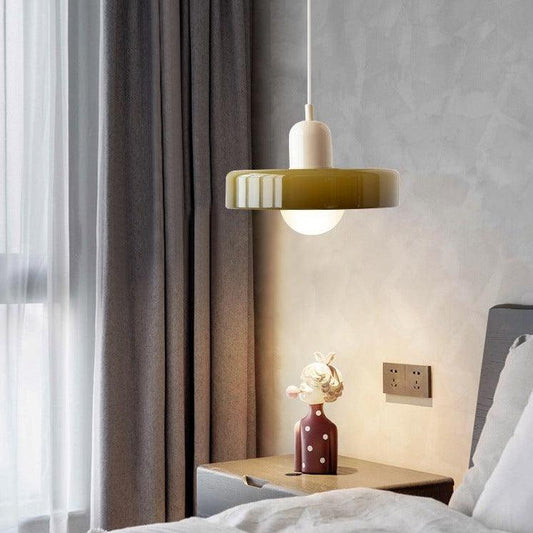
Lighting is crucial in Nordic homes, where winter days are short. The trend is shifting toward LED fixtures made from recycled materials, as well as smart lighting systems that adjust brightness based on natural light levels. According to the International Energy Agency, LED lighting uses at least 75% less energy than incandescent bulbs [8]. Combine this with dimmable switches and warm color temperatures to mimic the soft glow of candlelight — a signature Nordic touch.
How to Incorporate These Trends on a Budget
You don’t need a designer’s budget to embrace sustainable Nordic interior trends. Start small: swap out plastic storage bins for woven baskets made from seagrass or bamboo. Paint an old dresser with non‑toxic milk paint. Add a few houseplants like snake plants or pothos that purify the air. Visit local thrift stores or online marketplaces for vintage wooden chairs. Even a single change — like replacing synthetic curtains with organic linen — can make a difference. Remember, the goal isn’t perfection; it’s progress toward a home that reflects your values and nurtures your well‑being.
Conclusion
Sustainable Nordic interior design is more than a fleeting trend — it’s a thoughtful approach to living that prioritizes quality, nature, and longevity. By embracing reclaimed wood, biophilic elements, and slow furniture, you can create a space that feels calm, inviting, and deeply connected to the environment. The best part? These choices often save you money in the long run and reduce your ecological footprint. So why not start today? Take a look around your home and ask yourself: which small change can you make that aligns with these principles? Whether it’s swapping a synthetic rug for a wool one or adding a single piece of upcycled furniture, every step counts. Your home — and the planet — will thank you.
Frequently Asked Questions
What is Nordic interior design?
It’s a design style originating from Scandinavian countries that emphasizes simplicity, functionality, and natural materials. It often features clean lines, neutral colors, and a strong connection to nature.
How can I make my home more sustainable?
Start by choosing furniture made from renewable or recycled materials, buying second‑hand, and selecting energy‑efficient lighting. Also, incorporate plants and natural fibers like wool and linen.
Is sustainable furniture expensive?
While some high‑end sustainable pieces can be pricey, there are many affordable options. Thrifting, upcycling, and buying from local artisans can be budget‑friendly. Over time, durable furniture saves money because it lasts longer.
What are the best sustainable materials for Nordic interiors?
Reclaimed wood, FSC‑certified timber, wool, organic cotton, recycled glass, and natural stone are excellent choices. These materials are renewable, biodegradable, or have a low environmental impact.
Can I mix Nordic style with other décor?
Absolutely! Nordic design is versatile. You can blend it with boho, industrial, or even mid‑century modern elements. The key is to maintain a sense of balance and keep natural materials as the foundation.
References
- Nordic Council of Ministers. “Sustainable Design in the Nordics.” https://www.norden.org/en/publication/sustainable-design-nordics
- European Environment Agency. “Sustainable Consumption and Production in the EU.” https://www.eea.europa.eu/themes/sustainable-consumption-and-production
- Architectural Digest. “Scandinavian Designers Embrace Sustainable Timber.” https://www.architecturaldigest.com/story/scandinavian-designers-sustainable-timber
- World Green Building Council. “Health & Wellbeing in the Built Environment.” https://www.worldgbc.org/health-wellbeing
- Ellen MacArthur Foundation. “Circular Economy in the Furniture Industry.” https://ellenmacarthurfoundation.org/topics/furniture
- Swedish Environmental Research Institute (IVL). “Carbon Footprint of Second‑Hand Furniture.” https://www.ivl.se/english/startpage/pages/research/climate/carbon-footprint-of-second-hand-furniture.html
- Norwegian Colour Association. “The Psychology of Earthy Colors.” https://www.fargeforeningen.no/earth-colors-psychology
- International Energy Agency. “LED Lighting Energy Efficiency.” https://www.iea.org/energy-system/buildings/lighting